

Hidden Water Damage: How to Document It & Avoid Claim Denials
Water damage is one of the most deceptive threats to any property. Some water issues are obvious — like a burst pipe gushing into your living room — but many losses start hidden, quietly undermining walls, floors, and structures long before you notice. Whether it’s from a slow plumbing leak behind drywall, undetected roof leakage, or condensation over time, hidden water damage can lead to major repair costs and insurance claim denials if not properly documented.
At Mission Property Loss Consultants, our expert public adjusters know how carriers scrutinize water claims — and how to build compelling documentation that prevents denials and supports your best possible settlement.

Why Hidden Water Damage Is So Problematic
Insurance policies generally require that water damage be sudden and accidental rather than from wear and tear or neglect. Water that seeps slowly over months or years is often excluded — and carriers may deny claims that don’t clearly meet policy definitions. Missing evidence of the source, timing, or severity of damage can be a common reason for claim rejection.
That’s why documenting hidden water damage quickly and thoroughly is essential. Without a clear paper trail — supported by visual proof and professional reports — a carrier could diminish or deny your claim entirely.
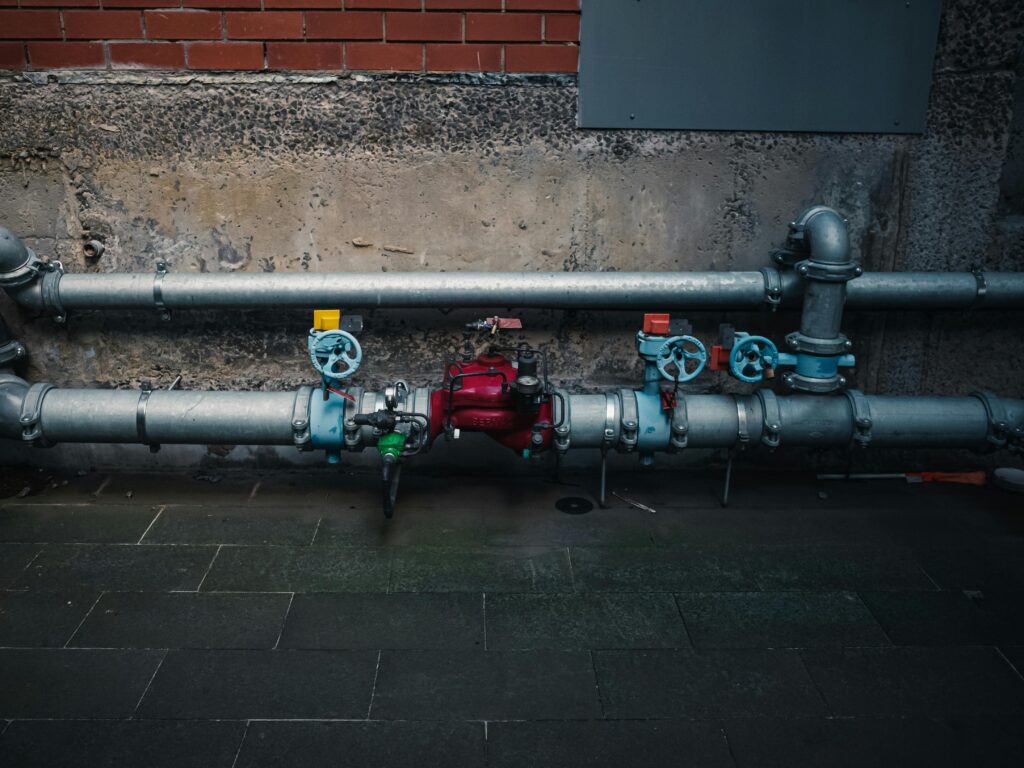
Step-by-Step: How to Document Hidden Water Damage
- Start With Visual Evidence – Right Away
Before you start cleanup or repairs, take clear, timestamped photos and videos of:
- All affected areas: ceilings, walls, floors, baseboards
- Signs of discoloration, staining, bubbling or peeling paint
- Any moisture or dampness revealed when removing trim or baseboards
- Water pooling or discoloration on ceilings and drywall
This evidence becomes the foundation of your documentation
2. Identify the Source
Hidden water damage often hides behind finished surfaces. To strengthen your claim:
- Capture photos or video of the source: whether a cracked pipe, roof leak, or faulty appliance
- Include any inspections by contractors, plumbers, or water-damage specialists
- Document moisture readings if possible (many professionals use moisture meters or thermal imaging for this)
This clarity helps your insurer determine that the damage was sudden and accidental rather than gradual.
3. Keep a Detailed Timeline
Insurance companies care about when the damage occurred: not just what happened. Create a timeline that includes:
- The date and time you first noticed the issue
- When you contacted professionals to assess the damage
- Dates of all photos and videos you took
- Dates you reported the claim to your insurer and what was discussed.
A clear timeline makes it easier to connect the damage to the covered event.
4. Save All Written Reports, Estimates, and Receipts
Good documentation goes beyond photos: Save:
- Contractor and plumber reports describing the damage
- Repair and mitigation estimates
- Invoices for emergency water mitigation services
- Notes from conversations with your insurer and adjusters
These documents help validate the scope and cost of your loss.
5. Report the Claim Promptly
Delaying your claim can work against you. Insurance companies often require that damage be reported within a reasonable time after discovery. Waiting weeks or months can create doubt about when and how the damage occurred, making denials more likely.
How a Public Adjuster Can Help
A public adjuster works for you, not the insurance company, to manage every aspect of your claim. Hiring a public adjuster like Mission Property Loss Consultants can make all the difference, especially with hidden water damage:
- We conduct detailed inspections to uncover issues carried may overlook
- We prepare professional documentation that clearly shows cause, extent, and cost of damage: preventing denials due to insufficient evidence.
- We handle all communications and negotiate with insurers so you don’t have to, helping ensure you receive full compensation under your policy.
When carriers try to minimize your loss or deny coverage dur to ambiguous documentation, experienced public adjusters advocate for you with industry expertise and precision.
Avoid These Common Claim Pitfalls
To prevent denials related to hidden water damage, don’t:
- Ignore early warning signs like minor staining or musty odors
- Start major repairs before documentation is compete
- Fail to save receipts or written reports
- Rely solely on your own descriptions without professional assessments
Document first, mitigate second, and always consider professional guidance from a public adjuster.
Get Help From MissionPLC's Public Adjusters
Hidden water damage can pose serious risks to your property and your insurance recovery. But you don’t have to navigate the claims process alone. The experienced team at Mission Property Loss Consultants is ready to help you document, prepare, and maximize your water damage claim — from the first photo to the final settlement.
