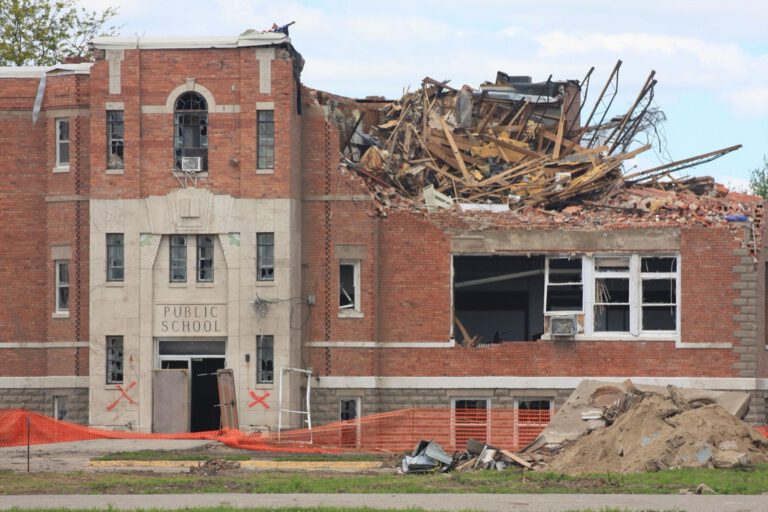
Expert Ohio Public Adjusters Serving You

In Ohio, Mission Property Loss Consultants ensures that our services are fully compliant with state regulations. We provide clear, written contracts before any work begins, and we maintain full transparency throughout the claims process. We do not engage in the unauthorized practice of law, and our adjusters work solely on your behalf, not the insurer’s.
Our public adjusters are licensed by the state and are committed to working solely in your best interest.
Ohio Public Adjusters: Why Choose Mission Property Loss Consultants?
Ohio-Specific Knowledge:
We have extensive experience handling claims across Ohio, ensuring your claim is managed in compliance with state regulations and local building codes.
Client-Focused:
Our services are designed to alleviate the stress of managing an insurance claim, allowing you to focus on recovery.
Proven Results:
We’ve successfully handled numerous claims throughout Ohio, helping our clients recover faster and more fully than they would navigating the claims process alone.
Insurable Perils We Handle in Ohio
Ohio’s geography and climate expose property owners to a broad set of insurable perils. Below is an overview of the losses we help policyholders recover from, each linked to a dedicated page with more detail.
Fire and Smoke Damage
Fire remains one of the most devastating perils a property owner can face, and Ohio is no exception, whether the cause is an electrical fault in an older home in Toledo or a kitchen fire in a Cincinnati restaurant. Our team helps document structural damage, smoke infiltration, and personal property losses so nothing is left out of your claim. Learn more about our fire and smoke damage claims support, our fire damage restoration coordination, and how we handle fire insurance claims from first notice of loss through settlement. Smoke can travel through HVAC systems and affect areas far from the source, and our smoke damage claims team accounts for this hidden damage in every estimate.
Wind and Storm Damage
Ohio sees frequent straight-line wind events and severe thunderstorms, particularly in spring and summer, that can tear off roofing, siding, and building envelopes. Our adjusters document every affected surface so insurers cannot undervalue the scope of repair. See our wind damage claims and general storm damage claims pages for details on how we approach these losses.
Hail Damage
Ohio sits within a corridor that regularly experiences hail from spring and summer storm systems, and hail damage to roofing, gutters, and exterior finishes is often underestimated by insurance company inspectors. Our hail storm claims specialists use detailed roof inspections and documentation to ensure hail damage is properly scoped and priced.
Tornado Damage
Ohio lies at the eastern edge of a tornado-prone zone and experiences dozens of tornado touchdowns most years, including significant outbreaks affecting the Dayton and Celina areas in recent memory. Tornado losses can range from minor roof damage to total losses. Our tornado damage claims team has experience managing catastrophic, high-value claims as well as smaller, localized damage.
Lightning Damage
Lightning strikes can cause fire, electrical system damage, and surges that destroy appliances and equipment even without a visible fire. Our lightning damage claims adjusters know how to identify and document these often overlooked losses.
Water Damage and Water Leaks
Water intrusion, whether from storms, plumbing failures, or appliance malfunctions, is one of the most common and most disputed types of claims. We help Ohio property owners fully document water damage claims and water leak claims, including the secondary damage water causes to flooring, drywall, and structural framing.
Burst and Frozen Pipes
Ohio’s cold winters make freeze related pipe failures a recurring problem, particularly in older homes and vacant properties. A single burst pipe can release thousands of gallons of water in a matter of hours. Our team assists with both burst pipes claims and frozen pipes claims, working to ensure emergency mitigation costs and full repair costs are covered.
Mold Damage
Any moisture intrusion left unaddressed can lead to mold growth, which insurers frequently try to limit or exclude from coverage. Our mold damage claims team works to document the source of moisture and advocate for the remediation coverage your policy provides.
Roof Leaks
Roof leaks can stem from storm damage, age related wear, or poor original construction, and insurers often dispute the cause to avoid payment. Our roof leaks claims specialists help establish causation and scope so your repair or replacement is properly funded.
Explosion Damage
Though less frequent, explosions from gas leaks, industrial equipment, or utility failures cause severe structural and life safety damage. Our explosion damage claims team is experienced in these complex, often catastrophic losses.
Earthquake Damage
While Ohio is not a high frequency earthquake zone, the state has experienced measurable seismic activity, including events tied to the eastern Ohio fault systems. Property owners with earthquake endorsements should know we handle earthquake damage claims when these rare but serious events occur.
Building Collapse
Structural collapse can result from snow load, age, poor maintenance, or construction defects. Our building collapse damage team manages these high stakes claims, which often involve significant life safety and rebuilding considerations.
Sinkhole Damage
Ohio’s karst topography and history of underground mining in parts of the state make certain regions susceptible to ground subsidence and sinkholes. We assist property owners with sinkhole damage claims, which require specialized geotechnical documentation.
Theft and Vandalism
Vacant properties, construction sites, and commercial buildings are common targets for theft and vandalism. Our theft and vandalism damage claims team helps quantify losses of property, fixtures, and equipment.
Backup of Sewers and Drains
Heavy rain events, common throughout Ohio’s spring and summer months, can overwhelm municipal and private sewer systems, causing backups into basements and lower levels. Our backup sewer and drain claims team understands the specific coverage and exclusion language that applies to these losses.
Business Interruption
When a covered loss forces a business to close or reduce operations, lost income and continuing expenses may be recoverable under a business interruption provision. We help Ohio business owners calculate and document these often complex losses.
Builder’s Risk
Construction and renovation projects carry their own risks, from weather delays to material theft to fire during construction. Our builder’s risk claims team supports contractors, developers, and property owners throughout active projects.
Property Types and Industries We Serve in Ohio
Ohio’s economy spans advanced manufacturing, logistics, healthcare, agriculture, retail, and higher education, and each property type carries its own claims considerations.
Residential and Multi-Family Properties
From single-family homes in the suburbs of Columbus to large apartment communities near Ohio State or Case Western, residential losses require careful documentation of both structure and personal property. Our multi-family properties team works with owners and property managers to keep occupied buildings safe and operational during repairs.
Industrial Properties and Warehouses
Ohio remains one of the nation’s manufacturing hubs, and industrial properties often carry significant business personal property, equipment, and business interruption exposure. We support claims for industrial properties and warehouse facilities, including damage to specialized machinery and inventory.
Retail Locations and Shopping Centers
Retail and shopping centers depend on continuous foot traffic, and a covered loss can mean lost revenue for every tenant in a center. Our team supports retail locations and shopping centers with claims that address both property damage and interrupted income.
Healthcare and Senior Living Facilities
Hospitals, clinics, and senior living communities must maintain continuity of care even after a loss, which raises the stakes for a fast, accurate claim. Our healthcare and senior living facility team understands the regulatory and operational pressures these properties face.
Municipalities and School Districts
Public buildings, from city halls to fire stations to school buildings, serve entire communities, and damage to these buildings affects residents directly. We assist municipalities and school districts with claims involving public funds and public accountability.
Hotels and Hospitality
Ohio’s hotels, from business travel hubs in Columbus to lakeside properties near Lake Erie, depend on uninterrupted guest operations. Our hotels claims team works to minimize disruption while keeping the accuracy of the claim front and center.
Churches and Religious Institutions
Houses of worship often have unique architectural features, from stained glass to bell towers, that require specialized repair estimating. Our churches team is experienced in these distinctive claims.
Midrise Buildings
Midrise commercial and residential buildings, common in Ohio’s urban cores, present unique challenges around water intrusion, roofing systems, and vertical transportation systems like elevators. We support owners of midrise buildings throughout the claims process.
Cities We Cover
Columbus
Ohio’s capital and largest city, Columbus is a growing hub for technology, logistics, and higher education, anchored by Ohio State University.
Cleveland
Located on Lake Erie, Cleveland is a major center for healthcare, manufacturing, and finance, and home to a large stock of century-old commercial and residential buildings.
Cincinnati
Situated along the Ohio River, Cincinnati is a hub for consumer goods, logistics, and professional services, with a historic urban core.
Toledo
A Lake Erie port city, Toledo has a strong manufacturing and glass industry heritage and faces lake-effect winter weather.
Akron
Once the center of the American rubber industry, Akron remains a manufacturing and healthcare hub in Northeast Ohio.
Dayton
Home to Wright-Patterson Air Force Base and a strong aerospace and technology sector, Dayton has also experienced significant tornado activity in recent years.
Youngstown
A historic steel manufacturing city in the Mahoning Valley, Youngstown continues to rebuild its industrial and commercial base.
The Public Adjusting Process
What does a public adjuster do?
A public adjuster is a licensed claims professional who represents the property owner, not the insurance company, throughout the claims process. This includes inspecting the damage, reviewing the policy, preparing a detailed estimate, and negotiating the settlement
Why Hire a Ohio Public Adjuster?
Insurance companies assign their own adjusters to evaluate a loss, and those adjusters represent the insurer’s financial interests. A public adjuster levels the playing field by providing the same level of expertise on the policyholder’s side.
What if the insurance company and the policyholder disagree on value?
Many Ohio property policies include an appraisal provision for resolving disputes over the amount of a loss. Learn more about how this works on our appraisal and umpire page.
Can property owners prepare before a loss occurs?
Yes. Our pre-loss planning and pre-loss policy review services help Ohio property owners understand their coverage before disaster strikes, and our broader risk management services support larger commercial and municipal clients on an ongoing basis.
Reach out to Mission Property Loss Consultants today to get started on your insurance claim in Ohio. Your recovery is our mission.
Ohio Public Adjusters for Commercial, Industrial and Complex Property Claims
Mission-Driven Property Claims Advocacy Throughout Ohio
When fire, smoke, hail, wind, tornadoes, winter weather, water intrusion, equipment breakdown, structural damage, or another covered event damages an Ohio property, repairing the building is only one part of the recovery.
The insurance claim must also be investigated, documented, estimated, presented, negotiated, and managed correctly.
Mission Property Loss Consultants provides licensed public adjusting and property claim consulting services for Ohio policyholders facing complex, high-value, delayed, disputed, denied, or underpaid property insurance claims.
We represent the policyholder—not the insurance company.
Our team assists:
- Commercial property owners
- Industrial and manufacturing operators
- Multifamily ownership groups
- Real estate investment companies
- Family offices
- Municipalities
- School districts
- Churches and religious organizations
- Healthcare organizations
- Hotels and hospitality companies
- Agricultural operations
- Nonprofit organizations
- Owners of large and high-value residential properties
From Cleveland and Northeast Ohio to Columbus and Central Ohio, Cincinnati and Southwest Ohio, Toledo and Northwest Ohio, Dayton and the Miami Valley, Akron, Canton, Youngstown, Mansfield, Lima, Findlay, Springfield, and communities throughout the state, Mission PLC helps Ohio policyholders bring structure, evidence, clarity, and experienced representation to the property insurance claim process.
We investigate. We negotiate. You recover.
Need Ohio Insurance Claim Help?
Call Mission Property Loss Consultants at 833-446-7728 or request a confidential Ohio property claim review.
Looking for Claim Help Near Me in Ohio?
People searching for claim help near me are often dealing with a property loss that has become larger, slower, or more complicated than expected.
The insurance company may have issued an incomplete estimate. A commercial roof may have been scoped for isolated repairs. A contractor may have identified damage or repair requirements that were not addressed. Business operations may be interrupted. The property owner may be receiving repeated requests without receiving a clear coverage, scope, or payment decision.
Mission Property Loss Consultants provides policyholder-side claim assistance throughout Ohio.
We inspect the property, review the policy and claim file, compare estimates, organize supporting evidence, document the amount of loss, and communicate with the insurance company.
Ohio property owners contact Mission PLC for help with:
- Commercial and industrial property claims
- Fire, smoke, wind, hail, tornado, winter weather, and water damage
- Commercial roof and building-envelope claims
- Underpaid or delayed property claims
- Denied and partially denied claims
- Business-income and extra-expense claims
- Multifamily and apartment insurance claims
- School, municipal, church, healthcare, and hospitality claims
- High-value residential and private-client losses
- Insurance appraisal preparation and support
- Insurance claim supplements
- Recoverable depreciation
- Contractor and carrier estimate differences
- Claim documentation and negotiation
Mission PLC serves policyholders throughout Ohio, including property owners seeking immediate claim help after a carrier inspection, partial payment, denial, or substantial disagreement over the required repairs.
Insurance Claim Help Near Me for Ohio Property Owners
An online search for insurance claim help near me can produce contractors, insurance company representatives, independent adjusters, attorneys, restoration companies, and public adjusters.
Each professional has a different role.
The insurance company’s adjuster works for or on behalf of the insurer. A contractor repairs and prices construction work. An attorney provides legal advice and legal representation. A licensed public adjuster retained by the policyholder helps investigate, prepare, document, present, and negotiate the property insurance claim.
Mission Property Loss Consultants works for the policyholder.
Our role may include:
- Reviewing the insurance policy, declarations, and endorsements
- Inspecting damaged buildings, systems, equipment, and contents
- Developing a complete repair scope
- Preparing or reviewing detailed estimates
- Comparing the insurer’s scope with contractor proposals
- Identifying omitted, reduced, or disputed items
- Organizing photographs, reports, invoices, and records
- Preparing contents and business-property inventories
- Supporting business-income and extra-expense documentation
- Participating in carrier inspections and claim meetings
- Responding to carrier requests for information
- Preparing supplemental claim submissions
- Negotiating the amount of loss
- Tracking payments, depreciation, and unresolved claim components
Our work is designed to create a clear, supportable claim presentation based on the actual property, actual damage, actual repair requirements, and applicable insurance policy.
Searching for an Insurance Adjuster Near Me?
The phrase insurance adjuster near me is frequently used by property owners who do not yet know which type of adjuster they need.
A carrier adjuster or independent adjuster is generally assigned by the insurance company. A public adjuster is retained by the policyholder.
Mission Property Loss Consultants provides public adjusting and property loss consulting for Ohio policyholders.
That distinction matters.
The insurance company has adjusters, estimators, engineers, accountants, consultants, and legal advisors protecting its interests. A policyholder may also retain qualified professionals to investigate and present its side of the property loss.
Mission PLC assists when the property owner needs:
- An independent review of the insurance company’s estimate
- A commercial roof or building-envelope scope analysis
- Documentation of damage across multiple buildings
- A business-interruption claim organized
- Assistance responding to carrier questions
- An underpaid claim evaluated
- A denied or partially denied claim reviewed
- An insurance supplement prepared
- Claim communication coordinated among multiple stakeholders
- Contractor estimates compared with carrier estimates
- Damaged equipment, contents, or inventory documented
When a substantial Ohio property claim becomes difficult to manage, Mission PLC can review the file and identify the practical next steps.
What Is an Ohio Public Adjuster?
A public adjuster is an insurance claim professional retained by the policyholder.
The public adjuster assists the policyholder with the investigation, preparation, documentation, presentation, and negotiation of a property insurance claim.
Mission Property Loss Consultants provides policyholder-side public adjusting services in accordance with applicable Ohio licensing and professional requirements.
A public adjuster does not replace the policyholder’s:
- Contractor
- Attorney
- Insurance broker
- Engineer
- Accountant
- Architect
- Restoration company
- Environmental consultant
- Internal risk-management team
Mission PLC works alongside these professionals while remaining focused on the insurance claim.
We help translate physical damage, repair requirements, contractor pricing, technical evidence, financial records, invoices, and operational losses into an organized and supportable property claim presentation.
Why Ohio Property Insurance Claims Become Complicated
Many property owners expect a simple claim sequence:
- Report the damage.
- Meet the insurance adjuster.
- Receive an estimate.
- Complete the repairs.
- Collect the insurance payment.
Large property claims rarely follow that sequence without disagreement, delay, or requests for additional information.
Disputes may develop over:
- The cause and timing of the damage
- Whether damage is new or pre-existing
- How much of the roof, wall, or interior was affected
- Whether isolated repairs are technically appropriate
- Whether existing materials can reasonably be matched
- Whether concealed damage relates to the reported event
- Whether damaged equipment can be repaired or must be replaced
- Whether code-related work applies
- Whether contractor pricing is reasonable
- Whether project supervision and general conditions were included
- Whether access, safety, containment, and temporary protection were considered
- The amount and timing of recoverable depreciation
- The reasonable period of restoration
- The amount of business-income loss
- The extent of contents and inventory damage
- Whether the carrier’s investigation addressed all available evidence
An insurance company estimate may reflect what one adjuster observed during one property visit.
It may not include concealed conditions discovered during demolition, specialized construction requirements, occupied-property constraints, long-lead equipment, manufacturer requirements, testing, commissioning, or the complete operational effect of the loss.
A complex property claim may involve multiple categories of coverage, including:
- Building coverage
- Business personal property
- Stock and inventory
- Tenant improvements and betterments
- Business income
- Extra expense
- Rental value
- Equipment breakdown
- Utility interruption
- Ordinance or law
- Debris removal
- Professional fees
- Expediting expense
- Electronic data
- Valuable records
- Replacement cost
- Actual cash value
- Recoverable depreciation
Every category requires evidence.
Mission PLC helps the policyholder develop that evidence into a coordinated claim.
Ohio Property Losses We Handle
Wind and Severe Storm Damage
Straight-line wind, downbursts, severe thunderstorms, and tornado-related winds can affect Ohio properties throughout the year.
Wind damage is not limited to missing shingles or a roof membrane visibly displaced from the building.
Wind pressure and uplift may affect roofing seams, fasteners, perimeter components, insulation boards, roof decking, flashing, coping, parapets, rooftop mechanical equipment, wall panels, windows and glazing, exterior doors, overhead doors, loading areas, canopies, signs, solar equipment, and exterior finishes.
A roof may remain generally in place while individual components or concealed attachments have been compromised.
Water may then enter through damaged roofing, wall assemblies, windows, doors, penetrations, or other storm-created openings.
Mission PLC evaluates the property as an integrated building system rather than treating every visible condition as an isolated item.
Hail Damage
Hail can affect commercial roof membranes, asphalt shingles, metal roofing, roof coatings, metal wall panels, HVAC equipment, condenser coils, skylights, windows, gutters, downspouts, coping, exterior lighting, signs, solar panels, vehicles, mobile equipment, and agricultural structures.
Different materials respond differently to hail impact. A dent in a metal panel may be readily visible. Damage to a membrane, coating, insulation layer, seam, seal, or mechanical component may require closer technical evaluation.
The absence of an active leak on the inspection date does not automatically establish that the roof or building envelope was not damaged.
Mission PLC reviews the reported event, damage patterns, affected materials, photographs, contractor observations, manufacturer information, reasonable repair requirements, and available technical evidence.
Tornado Damage
Tornadoes can affect neighborhoods, commercial corridors, schools, churches, warehouses, apartment communities, farms, municipal properties, industrial facilities, and high-value residences.
A tornado claim may involve structural movement, roof displacement, wall failure, broken glazing, debris impact, wind-driven rain, mechanical damage, electrical damage, utility interruption, fire following the event, damaged inventory, emergency stabilization, demolition, debris removal, code-related reconstruction, and extended business interruption.
Multiple forces may contribute to the final condition of the property.
Mission PLC helps establish a complete timeline and scope so the insurance claim is not reduced to one damaged roof section, wall, or exterior elevation.
Winter Storm, Snow, Ice and Freeze Damage
Ohio winter weather can produce heavy snow, drifting, ice, freezing rain, extreme cold, rapid temperature changes, and prolonged utility interruption.
Resulting property losses may include roof collapse, structural deflection, snow-load damage, ice-dam damage, frozen or burst plumbing, sprinkler-system releases, boiler and heating-system failures, interior water damage, refrigeration loss, power-surge damage, fallen trees, exterior building damage, spoiled inventory, and business interruption.
Mission PLC evaluates both the immediate physical damage and the related operational consequences.
Fire, Smoke, Soot and Odor Claims
Fire claims frequently extend beyond the visibly burned area.
Heat, smoke, soot, ash, water, suppression chemicals, corrosion, odor, and emergency-response activities can affect structural components, roofing, electrical systems, mechanical equipment, plumbing, fire-protection systems, electronics, machinery, inventory, furniture, documents, food products, textiles, porous building materials, HVAC distribution systems, adjacent spaces, and common areas.
Questions may arise over what can safely be cleaned, what must be replaced, what testing is needed, whether smoke traveled through mechanical systems, and whether heat affected structural, electrical, or mechanical components.
Commercial fire claims may also involve temporary locations, additional security, temporary utilities, building upgrades, professional fees, inventory replacement, lost income, extra expense, customer or tenant displacement, and a prolonged period of restoration.
Mission PLC helps document the complete effect of the fire rather than limiting the claim to visibly burned materials.
Water Damage and Frozen-Pipe Claims
Water losses may result from frozen pipes, failed plumbing connections, sprinkler-system releases, boiler failures, roof leaks, drainage-system failures, appliance failures, water-heater failures, mechanical condensation, sewer backups, sump-pump failures, fire-suppression activities, and storm-created openings.
Water can travel between floors, behind walls, beneath flooring, through insulation, and into electrical or mechanical systems before becoming visible.
The resulting claim may involve water extraction, structural drying, demolition, environmental testing, temporary protection, replacement finishes, electrical work, mechanical repairs, contents handling, tenant relocation, lost rental income, business interruption, and reconstruction.
Mission PLC helps preserve and organize moisture records, photographs, demolition documentation, drying logs, invoices, repair proposals, and other claim evidence.
Commercial Roof and Building-Envelope Claims
Mission PLC assists with claims involving TPO roofing, EPDM roofing, PVC roofing, modified-bitumen roofing, built-up roofing, coated and elastomeric systems, standing-seam metal roofing, corrugated metal roofing, asphalt shingles, slate, tile, roof insulation, vapor barriers, decking, flashing, coping, parapets, roof drainage, exterior wall panels, masonry, stucco, exterior insulation and finish systems, windows, curtain walls, storefront systems, sealants, and waterproofing assemblies.
Roof disputes are frequently framed as a question of whether a visible area can be patched.
The complete analysis should consider whether the proposed repair is technically appropriate, reasonably available, compatible with the existing assembly, consistent with manufacturer requirements, compliant with applicable building requirements, protective of relevant warranties, capable of restoring the property subject to the policy, and reasonable under actual site conditions.
Mission PLC documents the roof as an integrated assembly rather than treating every mark, seam, panel, or section as an isolated item.
Equipment Breakdown and Mechanical Loss
Industrial, manufacturing, healthcare, agricultural, hospitality, logistics, and technology properties depend on complex equipment.
A breakdown may affect boilers, chillers, compressors, transformers, electrical switchgear, production equipment, refrigeration systems, elevators, pumps, data infrastructure, HVAC systems, medical equipment, food-processing equipment, manufacturing lines, robotic systems, and renewable-energy equipment.
The physical repair may be only one part of the total loss.
The event may also cause spoilage, production delays, customer-order disruption, overtime, temporary equipment rental, additional labor, testing, recommissioning, expedited shipping, and lost business income.
Structural Damage, Collapse and Impact Claims
Structural losses may arise from wind, snow load, vehicle impact, fire, water, falling trees, construction activity, or equipment movement.
These claims may require emergency shoring, engineering evaluation, restricted access, temporary stabilization, demolition, debris removal, temporary protection, extensive reconstruction, temporary relocation, and business interruption.
Mission PLC documents the conditions, timeline, affected components, emergency actions, repair requirements, and amount of loss while coordinating with qualified technical professionals.
Theft and Vandalism Claims
Theft and vandalism can affect doors and windows, electrical wiring, copper piping, HVAC equipment, plumbing, roofing, security systems, elevators, interior finishes, equipment, inventory, fencing, lighting, and fire-protection systems.
Mission PLC helps organize ownership records, inventories, photographs, police reports, purchase documentation, repair estimates, and evidence of the property’s condition before the event.
Commercial Insurance Claim Help for Ohio Businesses
Effective commercial insurance claim help should begin with the property, the business operation, the damage, and the insurance policy—not with a generic estimate.
Mission PLC assists owners and operators of office buildings, retail centers, mixed-use developments, shopping centers, restaurants, medical offices, professional buildings, self-storage facilities, entertainment venues, event centers, historic commercial properties, parking structures, and commercial condominium associations.
Our work may include:
- Reviewing the policy and existing claim file
- Inspecting all affected buildings and areas
- Developing the repair scope
- Preparing or reviewing estimates
- Comparing the carrier estimate with contractor pricing
- Organizing business personal property and inventory
- Supporting business-income and extra-expense claims
- Tracking temporary repairs, mitigation, and incurred costs
- Presenting supplemental damage
- Negotiating disputed portions of the amount of loss
A commercial property claim should account for how the building is occupied, how repairs must be phased, what access is available, what safety measures are required, and how business operations will continue during reconstruction.
Industrial, Manufacturing, Warehouse and Logistics Claims
Ohio’s manufacturing, distribution, logistics, automotive, food-processing, metal, energy, research, healthcare, and technology properties frequently contain specialized construction and equipment.
Mission PLC assists manufacturing plants, warehouses, distribution centers, cold-storage facilities, food-processing operations, automotive suppliers, metal-fabrication companies, energy facilities, laboratories, data centers, machine shops, printing operations, packaging plants, and agricultural-processing properties.
Industrial claims may involve high-value machinery, production dependencies, long-lead replacement equipment, utility interruption, raw materials, finished inventory, testing and recommissioning, customer contracts, supply-chain disruption, temporary production, overtime, expedited freight, and extended business interruption.
Our claim strategy considers both the damaged structure and the process the property supports.
Multifamily, Apartment and Real Estate Portfolio Claims
A storm, fire, or water loss at an apartment community may affect multiple buildings, residents, roof systems, exterior elevations, individual units, common areas, mechanical systems, amenities, and site improvements.
Mission PLC assists multifamily owners, apartment operators, real estate investment groups, real estate investment trusts, syndicators, private equity groups, family offices, property managers, condominium associations, student-housing operators, senior-living communities, and affordable-housing providers.
Our work may include portfolio-wide inspection planning, building-by-building documentation, unit-by-unit damage documentation, roof and exterior evaluation, interior water-damage documentation, tenant displacement, common areas and amenities, lost rent, temporary repairs, building requirements, and contractor and carrier estimate differences.
We create consistency across the property claim while documenting the specific conditions at each building and unit.
Schools, Municipalities and Public Entities
Public institutions face operational, administrative, and accountability requirements following a property loss.
Mission PLC assists public school districts, private schools, charter schools, colleges and universities, municipalities, townships, counties, libraries, fire districts, public authorities, community centers, government buildings, utility properties, and transportation facilities.
Claims may require coordination among administrators, facility personnel, board members, insurance brokers, contractors, engineers, architects, attorneys, accountants, and carrier representatives.
Our documentation is organized to support informed decisions, leadership reporting, board review, and a transparent claim record.
Churches and Religious Properties
Church properties may include sanctuaries, schools, offices, fellowship halls, commercial kitchens, childcare facilities, gymnasiums, parsonages, historic buildings, and community-service spaces.
A property loss can interrupt worship, education, childcare, food service, community outreach, administrative operations, and social services.
Mission PLC assists with fire, smoke, wind, hail, tornado, water, roof, contents, and interruption-related claims while respecting the organization’s mission, stewardship, and leadership structure.
Hotels, Hospitality, Healthcare and Senior Living
A hotel or hospitality claim may involve guest rooms, kitchens, laundry facilities, meeting spaces, elevators, mechanical systems, recreational facilities, roof systems, exterior walls, furniture, fixtures, equipment, franchise requirements, lost occupancy, and additional operating costs.
Healthcare and senior-living properties may require infection control, containment, patient protection, temporary relocation, specialized cleaning, equipment testing, mechanical redundancy, phased repairs, and regulatory coordination.
Mission PLC helps connect these operational requirements to the documented amount of loss.
High-Value Residential and Private-Client Claims
Large residences, historic homes, estates, and custom properties frequently contain custom millwork, imported finishes, specialty roofing, stonework, historic materials, fine art, collections, advanced mechanical systems, smart-home technology, wine storage, custom furnishings, detached structures, and extensive landscaping.
Mission PLC provides discreet, white-glove claim support for private clients, family offices, executives, professionals, and owners of complex residential properties.
Insurance Estimate Review
An insurance estimate review is not simply a comparison of two totals.
Mission PLC compares the carrier estimate, contractor estimate, invoices, measurements, repair specifications, building requirements, and actual site conditions line by line.
Differences may involve missing trades, incorrect measurements, incomplete quantities, labor assumptions, material availability, access and equipment, safety and containment, occupied-property conditions, demolition and disposal, temporary protection, project supervision, general conditions, overhead and profit, taxes and permits, testing and commissioning, repair methodology, long-lead equipment, and cost escalation.
A lower estimate is not necessarily accurate, and a higher estimate is not automatically correct.
The question is whether the scope, quantities, pricing, and repair methodology are supportable for the actual property.
Insurance Claim Supplement Help
The first insurance estimate or payment is not always the final amount involved in a property claim.
Additional damage may be discovered during demolition. Repair pricing may change. Equipment may fail testing. Building requirements may become clearer. Concealed moisture may be identified. A proposed repair may prove impractical. Contractor invoices may establish costs not included in the original scope.
Mission PLC provides insurance claim supplement help by organizing supplemental estimates, contractor proposals, change orders, photographs, measurements, invoices, material documentation, manufacturer requirements, technical reports, building department information, site-condition evidence, testing results, and incurred expenses.
We present the supplement as part of the policyholder’s property claim and address the insurance company’s questions or disputed items.
Contractor Insurance Claim Support
Contractors are often the first professionals called following a property loss.
Roofing contractors, restoration companies, general contractors, mechanical contractors, electricians, plumbers, and specialty trades may identify repair requirements that are not reflected in the insurance company’s original estimate.
Construction work and insurance adjusting are different professional functions.
The contractor determines how the property should be repaired and what the construction will cost. Mission PLC helps the policyholder investigate, prepare, document, present, and negotiate the insurance claim.
Our contractor insurance claim support may include:
- Comparing contractor and carrier estimates
- Reviewing omitted construction items
- Evaluating measurement and quantity differences
- Reviewing commercial roof scopes
- Documenting access and site conditions
- Documenting equipment and safety requirements
- Reviewing project supervision and general conditions
- Organizing photographs, invoices, specifications, and proposals
- Preparing claim supplements
- Participating in joint property inspections
- Explaining disputed scope items
- Coordinating technical information with the policyholder’s team
Mission PLC works for the policyholder.
We can collaborate with the policyholder’s selected contractor while maintaining clear professional roles.
Ohio Contractors With a Client Facing an Underpaid Claim
An Ohio contractor may introduce Mission PLC when a shared client is experiencing an incomplete insurance company estimate, a substantial difference between contractor and carrier scope, a disputed commercial roof replacement, omitted general conditions or supervision, repeated requests for the same documents, a delayed coverage or payment decision, a partial property claim denial, difficulty presenting concealed damage, difficulty recovering depreciation, a large commercial or multifamily loss, or a complicated business-interruption claim.
The contractor remains focused on construction.
Mission PLC manages the policyholder’s insurance claim presentation and negotiation.
Property Damage Documentation
Property damage documentation is the foundation of a substantial insurance claim.
Evidence can change quickly following a loss.
Emergency crews remove damaged materials. Water is extracted. Roofs are covered. Equipment is moved. Inventory is discarded. Tenants relocate. Cleaning and repairs begin.
Mission PLC develops an organized property record that may include property-wide photographs and video, roof and exterior documentation, interior room-by-room records, measurements and diagrams, moisture observations, equipment and serial-number records, contents and inventory information, contractor findings, maintenance and repair history, emergency work documentation, demolition records, invoices and incurred expenses, carrier correspondence, engineering and technical reports, payment and depreciation records, and a chronology of inspections, submissions, and decisions.
Strong documentation does not guarantee coverage or a particular outcome.
It gives the policyholder a clearer factual basis for presenting the property insurance claim.
Public Adjuster for Attorneys
Attorneys may encounter clients with significant property damage but an incomplete, disorganized, or technically unsupported insurance claim.
Mission PLC serves as a public adjuster for attorneys and their clients when a matter requires property inspection, scope development, estimate analysis, claim-file organization, property damage documentation, business-interruption support, appraisal preparation, or contractor and carrier estimate comparison.
Our attorney-facing services may include:
- Reviewing the existing claim file
- Inspecting the damaged property
- Preparing detailed scopes and estimates
- Comparing carrier and policyholder positions
- Developing claim chronologies
- Organizing photographs, reports, correspondence, and payments
- Identifying unresolved valuation issues
- Supporting business-income documentation
- Coordinating with contractors, engineers, accountants, and other experts
- Assisting with insurance appraisal preparation
Mission PLC does not provide legal advice and does not replace legal counsel.
Legal interpretation, policy construction, statutory rights, bad-faith analysis, litigation strategy, and legal deadlines remain within the attorney’s role.
Our focus is the factual, construction, estimating, financial, and claim-presentation side of the loss.
Property Claim Support for General Counsel and Outside Counsel
Legal analysis is stronger when the physical and financial record is organized.
A complex claim file may contain thousands of photographs, multiple estimates, technical reports, invoices, payment records, repair proposals, accounting documents, and lengthy email chains.
Mission PLC helps transform those materials into a structured property-loss presentation so counsel can identify where additional construction, engineering, accounting, or legal analysis may be needed.
Property Damage Claim Help for Underpaid, Delayed and Denied Claims
A policyholder may seek property damage claim help when the insurance payment does not appear sufficient to complete the repairs or restore business operations.
A payment may be insufficient because the carrier’s estimate omitted damage, used different measurements, selected a different repair method, applied depreciation, excluded contractor requirements, did not include concealed conditions, did not address the full operational effect, or did not include all affected buildings or areas.
Mission PLC reviews the insurance company’s stated position, the policy provisions cited, estimates and payment summaries, depreciation calculations, engineering conclusions, photographs and inspection records, contractor findings, relevant weather information, maintenance and repair history, omitted or disputed damage, business-income calculations, supplemental submissions, and the timeline of carrier communications.
When the dispute involves legal coverage questions, Mission PLC can coordinate with qualified Ohio counsel.
Business Income and Extra Expense
Physical property damage can interrupt the operation of a business or income-producing property.
Potential losses include complete shutdown, reduced production, lost occupancy, lost rental income, lost room revenue, cancelled events, spoiled inventory, delayed customer orders, supply-chain disruption, temporary relocation, equipment rental, additional payroll, overtime, outsourced production, expedited shipping, additional security, temporary utilities, professional fees, and increased operating costs.
Business-income analysis may require historical financial statements, tax returns, budgets, sales projections, production records, occupancy reports, rental ledgers, payroll, inventory records, customer orders, contracts, utility information, trend analysis, seasonality, projected growth, saved expenses, continuing expenses, market conditions, and the reasonable period of restoration.
Mission PLC works with the policyholder and its accounting professionals to organize an understandable and supportable presentation.
Our Ohio Property Insurance Claim Process
- Confidential Claim Consultation — We discuss the property, reported event, claim status, carrier response, immediate concerns, and known deadlines.
- Policy and Claim-File Review — We review available policies, endorsements, estimates, reports, correspondence, photographs, invoices, payment records, and prior submissions.
- Inspection and Documentation Plan — We identify which buildings, systems, contents, equipment, records, and operational areas require documentation.
- Scope and Estimate Development — We identify the work and property involved in the loss and develop the supporting estimate, inventory, or financial documentation.
- Claim Strategy — We organize the disputed issues, required professionals, upcoming inspections, documentation needs, and planned submissions.
- Insurance Company Coordination — We communicate with carrier representatives, participate in inspections, respond to requests, and present the policyholder’s documentation.
- Negotiation — We address scope, quantities, pricing, depreciation, repair methodology, contents, business income, extra expense, and other disputed elements.
- Supplemental Documentation — We update the claim as concealed conditions, invoices, repair information, testing, or additional evidence becomes available.
- Recovery and Claim Closeout Support — We help the policyholder understand payments, recoverable depreciation, remaining documentation, outstanding supplements, and unresolved claim components.
Property Risk Management and Claim Readiness
The best time to organize claim evidence is before a loss occurs.
Mission PLC helps organizations improve property claim readiness through pre-loss documentation and response planning.
Property Condition Baselines
A photographic and documentary baseline may include roofs, exterior elevations, interiors, mechanical equipment, electrical systems, renovations, high-value contents, and major property components.
Roof and Building-Envelope Records
Property owners should retain roof warranties, installation records, repair invoices, inspection reports, maintenance logs, coating records, leak histories, photographs, manufacturer information, and prior technical reports.
Asset and Equipment Inventories
Current records may include machinery, electronics, furniture, appliances, tools, medical equipment, restaurant equipment, inventory, tenant improvements, and specialized building systems.
Emergency Vendor Planning
Organizations should identify qualified emergency roofing, board-up, water extraction, security, electrical, plumbing, mechanical, structural, environmental, and restoration vendors before a loss.
Claim-Response Protocols
A response plan should identify who reports the claim, who authorizes emergency work, who communicates with the broker, who communicates with the carrier, who preserves photographs and video, who tracks expenses, who retains damaged materials, who coordinates tenants or occupants, and who maintains the central claim file.
Business-Interruption Preparation
Businesses should retain reliable financial statements, budgets, sales projections, production records, occupancy reports, rental ledgers, payroll, inventory records, contracts, customer orders, utility information, and seasonal performance records.
Ohio Service Areas, Luxury Markets and Commercial Corridors
Mission Property Loss Consultants provides statewide Ohio public adjusting services.
The ZIP codes below identify representative high-value residential, commercial, industrial, institutional, logistics, and business markets. Mission PLC’s services are not limited to these ZIP codes.
Columbus and Central Ohio
High-Value and Private-Client Markets: New Albany 43054; Dublin 43016, 43017; Powell 43065; Upper Arlington 43220, 43221; Bexley 43209; Grandview Heights and Marble Cliff 43212; Worthington 43085; Westerville 43081, 43082; Gahanna 43230; German Village and the Brewery District 43206; Hilliard 43026; Delaware 43015; Lewis Center 43035; Pickerington 43147; and Granville 43023.
Commercial, Industrial and Logistics Markets: Downtown Columbus 43215; Short North, Arena District, and Italian Village 43201, 43215; Easton and airport-area properties 43219; New Albany business and data-center properties 43054; Rickenbacker, Groveport, and south-metro logistics properties 43125, 43137, 43217; Obetz and south Columbus 43207; west Columbus and Trabue Road 43228; Polaris 43240, 43035; Dublin corporate properties 43016, 43017; Grove City 43123; Reynoldsburg 43068; and Canal Winchester 43110.
Cleveland and Northeast Ohio
High-Value and Private-Client Markets: Hunting Valley, Moreland Hills, Bentleyville, and Chagrin Falls 44022; Gates Mills 44040; Pepper Pike 44124; Beachwood 44122; Shaker Heights 44120, 44122; Bratenahl 44108; Bay Village 44140; Westlake 44145; Rocky River 44116; Avon 44011; Avon Lake 44012; Solon 44139; Brecksville 44141; Broadview Heights 44147; Hudson 44236; and Bath and Fairlawn 44333.
Commercial, Industrial and Institutional Markets: Downtown Cleveland 44113, 44114, 44115; the Flats and Cuyahoga Valley 44113, 44127; Midtown and the Health-Tech Corridor 44103, 44106, 44115; the Opportunity Corridor and southeast Cleveland 44104, 44105, 44127, 44128; Cleveland Hopkins and Brook Park 44135, 44142; Independence and Rockside Road 44131; Solon 44139; Euclid 44117, 44123, 44132; Strongsville 44136, 44149; Bedford and Walton Hills 44146; Mentor 44060; Willoughby 44094; Eastlake 44095; and Wickliffe 44092.
Cincinnati and Southwest Ohio
High-Value and Private-Client Markets: Indian Hill and Madeira 45243; Hyde Park and Mount Lookout 45208; Terrace Park 45174; Montgomery and Blue Ash 45242; Kenwood 45236; Mariemont 45227; Oakley 45209; Anderson Township 45230, 45244, 45255; Mason 45040; Loveland 45140; West Chester 45069; Liberty Township 45011, 45044; Lebanon 45036; Wyoming 45215; and Glendale 45246.
Commercial, Industrial and Logistics Markets: Downtown Cincinnati and Over-the-Rhine 45202; Queensgate and the West End 45203, 45214; the Mill Creek and Interstate 75 corridor 45215, 45216, 45217, 45223, 45225, 45232; Oakley and Madisonville 45209, 45227; Blue Ash 45242; Sharonville and Evendale 45241; Springdale 45246; West Chester 45069; Fairfield 45014; Hamilton 45011, 45013, 45015; Mason 45040; Forest Park 45240; Norwood 45212; and Reading 45215.
Toledo and Northwest Ohio
High-Value and Private-Client Markets: Ottawa Hills 43606, 43615; Sylvania 43560; Perrysburg 43551; Maumee 43537; Monclova 43542; Waterville 43566; Holland 43528; Whitehouse 43571; Oregon 43616; and Rossford 43460.
Commercial, Industrial and Logistics Markets: Downtown Toledo 43604; north Toledo and the Toledo Trade Center area 43612; central Toledo 43606; east Toledo 43605; Oregon’s industrial and energy corridor 43616; south Toledo 43609, 43614; Toledo Express Airport and Holland 43528, 43615; Maumee 43537; Perrysburg 43551; Rossford 43460; Sylvania 43560; Bowling Green 43402; Northwood 43619; Walbridge 43465; and Findlay 45840.
Dayton and the Miami Valley
High-Value and Private-Client Markets: Oakwood 45409; Centerville and Washington Township 45458, 45459; Springboro 45066; Beavercreek 45431, 45432, 45434, 45440; Bellbrook and Sugarcreek Township 45305; Kettering 45429, 45440; Yellow Springs 45387; Tipp City 45371; Troy 45373; and Miamisburg 45342.
Commercial, Industrial, Aerospace and Logistics Markets: Downtown Dayton 45402; north Dayton 45404, 45414; Moraine and the Interstate 75 corridor 45439; Vandalia and the airport logistics market 45377; Wright-Patterson and Fairborn 45324, 45433; Beavercreek 45431, 45434, 45440; Miamisburg 45342; Huber Heights 45424; West Carrollton 45449; Trotwood and west Dayton 45426; Springfield 45502, 45503, 45504, 45505, 45506; Troy 45373; and Sidney 45365.
Akron and Summit County
High-Value Markets: Bath and Fairlawn 44333; Hudson 44236; Copley 44321; Richfield 44286; Peninsula 44264; Green 44685; Stow and Silver Lake 44224; and Portage Lakes 44319.
Commercial and Industrial Markets: Downtown Akron 44308; central Akron 44311; east and southeast Akron 44305, 44306; Kenmore and southwest Akron 44314; Montrose and Interstate 77 44333; Copley 44321; Green and airport-area properties 44319, 44685; Barberton 44203; Stow 44224; Hudson 44236; Twinsburg 44087; Macedonia 44056; Streetsboro 44241; and Kent 44240.
Canton, Massillon and Stark County
High-Value Markets: North Canton 44720; Jackson Township 44718, 44720; Hills and Dales 44708; Hartville 44632; Canal Fulton 44614; Louisville 44641; and Massillon 44646, 44647.
Commercial and Industrial Markets: Downtown Canton 44702; northeast Canton and Mahoning Road 44705; south Canton 44706, 44707; the Interstate 77 corridor 44718, 44720; North Canton 44720; Massillon 44646, 44647; Alliance 44601; Louisville 44641; Navarre 44662; Brewster 44613; and Minerva 44657.
Youngstown, Warren and the Mahoning Valley
High-Value Markets: Canfield 44406; Poland and Poland Township 44514; Boardman 44512; Howland Township 44484; Liberty Township and Girard 44420, 44505; Cortland 44410; and Columbiana 44408.
Commercial and Industrial Markets: Downtown Youngstown 44503; east Youngstown and the Crab Creek corridor 44505; Riverbend and central industrial areas 44502, 44503; west Youngstown and Meridian Road 44509; Austintown 44515; Boardman 44512; Warren 44481, 44483, 44484; Niles 44446; Girard 44420; Lordstown 44481; Canfield 44406; Struthers 44471; and Campbell 44405.
Lorain, Elyria and Western Northeast Ohio
High-Value Markets: Avon 44011; Avon Lake 44012; Westlake 44145; Bay Village 44140; Rocky River 44116; Vermilion 44089; Sheffield Village 44054; and North Ridgeville 44039.
Commercial and Industrial Markets: Lorain 44052, 44053, 44055; Elyria 44035; Sheffield and Sheffield Village 44054; Avon 44011; Avon Lake 44012; North Ridgeville 44039; Amherst 44001; Oberlin 44074; Vermilion 44089; and Sandusky 44870.
Additional Ohio Markets
Mission PLC also serves commercial, industrial, institutional, agricultural, multifamily, and high-value properties in Mansfield 44902, 44903, 44904, 44905, 44906, 44907; Lima 45801, 45804, 45805, 45806, 45807; Findlay 45840; Marion 43302; Delaware 43015; Newark 43055; Lancaster 43130; Zanesville 43701; Chillicothe 45601; Athens 45701; Marietta 45750; Cambridge 43725; Steubenville 43952, 43953; Portsmouth 45662; Ironton 45638; Wooster 44691; Ashland 44805; Sandusky 44870; Fremont 43420; Tiffin 44883; Defiance 43512; and Napoleon 43545.
Why Mission Property Loss Consultants?
Commercial and Institutional Focus
Mission PLC is built to manage substantial property claims involving complex buildings, multiple stakeholders, demanding operations, and meaningful financial exposure.
Detailed Investigation
We do not rely solely on the insurance company’s initial scope.
We inspect, collect records, compare evidence, identify omissions, and develop the policyholder’s property claim presentation.
Construction and Claims Experience
Property claims exist at the intersection of insurance, construction, restoration, estimating, building systems, documentation, accounting, and negotiation.
Executive-Level Communication
Owners, boards, asset managers, administrators, municipal leaders, risk managers, attorneys, brokers, lenders, and investors need clear information.
We organize the major issues, supporting evidence, outstanding decisions, and next steps.
Collaborative Approach
We work with the policyholder’s existing insurance broker, attorney, contractor, engineer, architect, accountant, restoration company, environmental consultant, property manager, facilities personnel, and internal risk team.
Policyholder Representation
Our responsibility is to the policyholder who retains us.
The insurance company has its own professional team. Mission PLC provides qualified policyholder-side claim representation.
White-Glove Service
A major property loss can affect employees, tenants, students, patients, residents, customers, investors, congregations, and entire communities.
Mission PLC provides responsive, discreet, and relationship-driven service. Learn more about our team.
Frequently Asked Questions About Ohio Public Adjusters
Where can I find claim help near me in Ohio?
Mission Property Loss Consultants provides statewide Ohio property claim assistance for commercial, industrial, multifamily, institutional, municipal, religious, hospitality, agricultural, and high-value residential policyholders.
Where can I find insurance claim help near me after a commercial loss?
Call Mission PLC at 833-446-7728. We can review the policy, carrier estimate, contractor scope, payments, photographs, reports, and disputed items and identify what additional documentation may be needed.
Do I need an insurance adjuster near me or a public adjuster?
A carrier adjuster works for or on behalf of the insurance company. A public adjuster retained by the policyholder assists the policyholder. Mission PLC provides policyholder-side public adjusting services.
Can Mission PLC provide commercial insurance claim help?
Yes. We assist commercial buildings, industrial facilities, warehouses, manufacturing plants, apartment communities, schools, churches, healthcare properties, hotels, municipalities, and other complex properties.
Can you provide property damage claim help after the carrier has inspected?
Yes. Mission PLC can become involved before an inspection, during the investigation, after an estimate or payment, following a partial denial, or when a claim becomes delayed or disputed.
Can Mission PLC perform an insurance estimate review?
Yes. We compare the carrier estimate with contractor estimates, invoices, measurements, building requirements, repair specifications, and actual site conditions.
Do you provide contractor insurance claim support?
Mission PLC works for the policyholder, but we can coordinate with the policyholder’s selected contractor, review estimate differences, organize construction documentation, and present supported claim supplements.
Can Mission PLC provide insurance claim supplement help?
Yes. We help organize and present supplemental damage, concealed conditions, invoices, change orders, repair proposals, building information, testing, and incurred expenses.
Why is property damage documentation important?
The condition of the property can change quickly after emergency work, demolition, cleaning, equipment movement, or repairs. Timely documentation helps preserve the factual record of the loss.
Does Mission PLC work as a public adjuster for attorneys?
Yes. We work with attorneys and their clients on inspections, scope development, estimate analysis, claim organization, business-income documentation, and appraisal preparation while counsel addresses legal issues.
Can a contractor negotiate an Ohio insurance claim?
Contractors perform and price construction work. Claim preparation and negotiation should be handled by the policyholder, a properly authorized public adjuster, or qualified legal counsel as permitted by applicable law. Mission PLC can coordinate with the contractor while representing the policyholder.
Can Mission PLC review an underpaid claim?
Yes. We review estimates, payments, depreciation, reports, photographs, invoices, contractor proposals, business-income calculations, and disputed scope.
What happens if my claim was denied?
Mission PLC can review the physical and financial claim record and the insurer’s stated position. When a disagreement involves legal interpretation, we recommend coordination with qualified Ohio legal counsel.
Can Mission PLC help with a commercial roof claim?
Yes. We assist with membrane, modified-bitumen, built-up, coated, metal, shingle, insulation, decking, flashing, coping, drainage, rooftop equipment, exterior wall, window, and related building-envelope claims.
Does Mission PLC guarantee a settlement?
No ethical claim professional should guarantee a particular result.
Property claim outcomes depend on the insurance policy, facts, evidence, damage, exclusions, limits, deductibles, documentation, and negotiations.
Request an Ohio Property Insurance Claim Review
A substantial property claim requires more than reporting the event.
The damage must be investigated. The property must be documented. The repair scope must be developed. Estimates must reflect the actual building and required work. Business losses must be organized. Insurance company questions must be answered. Disputed items must be addressed. Deadlines and payments must be tracked.
Mission Property Loss Consultants provides the policyholder-side experience, documentation, organization, and representation required for complex Ohio property claims.
Whether you own one commercial building, manage a statewide real estate portfolio, operate an industrial facility, oversee a school district, lead a municipality, serve a church, manage an apartment community, operate a hotel, advise a client, or represent a family office, our team is prepared to review the loss.
Mission Property Loss Consultants
Ohio Public Adjusters for Commercial, Industrial, Institutional, Multifamily and Complex Property Claims
Call: 833-446-7728
Website: MissionPLC.com
Email: success@missionae.com
Ohio License: 1736828
Mission-Driven Property Claims Advocacy
We investigate. We negotiate. You recover.
Request a Confidential Ohio Property Claim Review