
Working with a Public Adjuster
Public Adjuster vs Insurance Adjuster: What’s the Difference?
When property damage happens, most policyholders and business owners quickly realize how complicated the insurance claims process can become.
A public adjuster is a licensed professional who works for you, not the insurance company, to document, value and negotiate your property insurance claim.
Book a free consultationCall 833-446-7728
Free consultationLicensed in 27 statesWe work for you, not the insurer
When you file a property insurance claim, your insurance company sends its own adjuster to inspect the damage and estimate what it will pay. A public adjuster is a separate, independent professional you can hire to represent your side of that same claim — inspecting the damage, reading your policy, building the estimate and negotiating the settlement on your behalf.
Insurance claims usually involve up to three kinds of adjusters, and it helps to know who each one actually answers to:
| Adjuster type | Who hires them | Whose interest they represent |
|---|---|---|
| Company (staff) adjuster | The insurance company | The insurance company |
| Independent adjuster | The insurance company, as a contractor | The insurance company |
| Public adjuster Best for most policyholders |
You, the property owner | You, the property owner |
So you know what’s actually covered before you talk to the insurer.
Inspects and documents the scope of damage, not just what’s easy to see.
Builds the claim presentation in the format carriers use to evaluate it.
Manages correspondence with the insurance company so you don’t have to.
Public adjusters are commonly paid a percentage of what your claim recovers, agreed with you upfront and regulated in many states. Rates vary by state, claim size and complexity, so the specific fee for your situation should always be confirmed in writing before you sign anything. We walk through ours during a free consultation, with nothing owed if you decide not to move forward.
Before you give a recorded statement or sign documents from the insurer.
Especially for commercial, institutional or multi-building claims.
Or the claim has stalled and you’re not sure why.
If you’re not confident what your policy actually pays for.
You can also bring in a public adjuster mid-claim, even if you’ve already started dealing with the insurer directly.
Public adjusters are licensed by state insurance departments to handle claims, not to practice law. If your claim also involves a legal dispute — a lawsuit, an allegation of bad faith, or a fight over what the policy actually covers — that’s a question for a licensed attorney. See Public Adjuster vs. Attorney: Which Do You Need? for how the two roles differ and when you might want both.
This page explains general concepts for property owners and is not legal advice. For guidance specific to your claim, request a free consultation; for legal questions, consult a licensed attorney.
Yes. Public adjusters are licensed and regulated by the department of insurance in each state where they work, generally with pre-licensing education, an exam and continuing education requirements.
It depends on the size and complexity of the loss. Public adjusters are typically most valuable on larger, more complex or commercial claims, where there’s more at stake and more room for the scope or value to be underestimated. A free consultation can help you weigh it for your specific claim.
Working with a public adjuster is a right property owners have in the states where they’re licensed, and it doesn’t change your coverage. In practice it usually means the claim is documented and presented more thoroughly, which tends to help rather than slow down a fair resolution.
Not usually, unless your claim turns into a legal dispute, such as a lawsuit or a denial you believe was made in bad faith. Many property owners only need a public adjuster; some situations call for both. See Public Adjuster vs. Attorney.
Practical guides from our public adjusters.
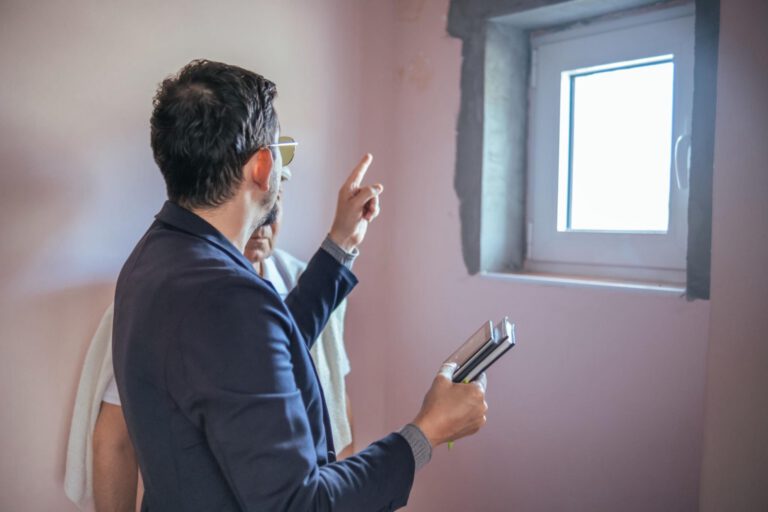
When property damage happens, most policyholders and business owners quickly realize how complicated the insurance claims process can become.
Filing an insurance claim after property damage can already be stressful, but receiving a denial can make the situation even more overwhelming.

When property damage strikes — whether due to fire, hail, wind, or other disaster — the insurance claim process can be complex and frustrating.
Talk with a Mission PLC public adjuster about your loss. The consultation is free.
© 2026 Mission Property Loss Consultants. All rights reserved. Charlotte, NC · Privacy Policy