
By Mission Property Loss Consultants
When property damage happens, most homeowners and business owners quickly realize how complicated the insurance claims process can become. During this process, you may hear terms like “insurance adjuster” and “public adjuster.” While they may sound similar, they serve very different roles.
Understanding the difference between a public adjuster and an insurance adjuster is important because it can directly impact how your insurance claim is handled and how much compensation you may receive.
This guide explains the key differences between these professionals, how they work, and when property owners may benefit from additional representation during the claims process.
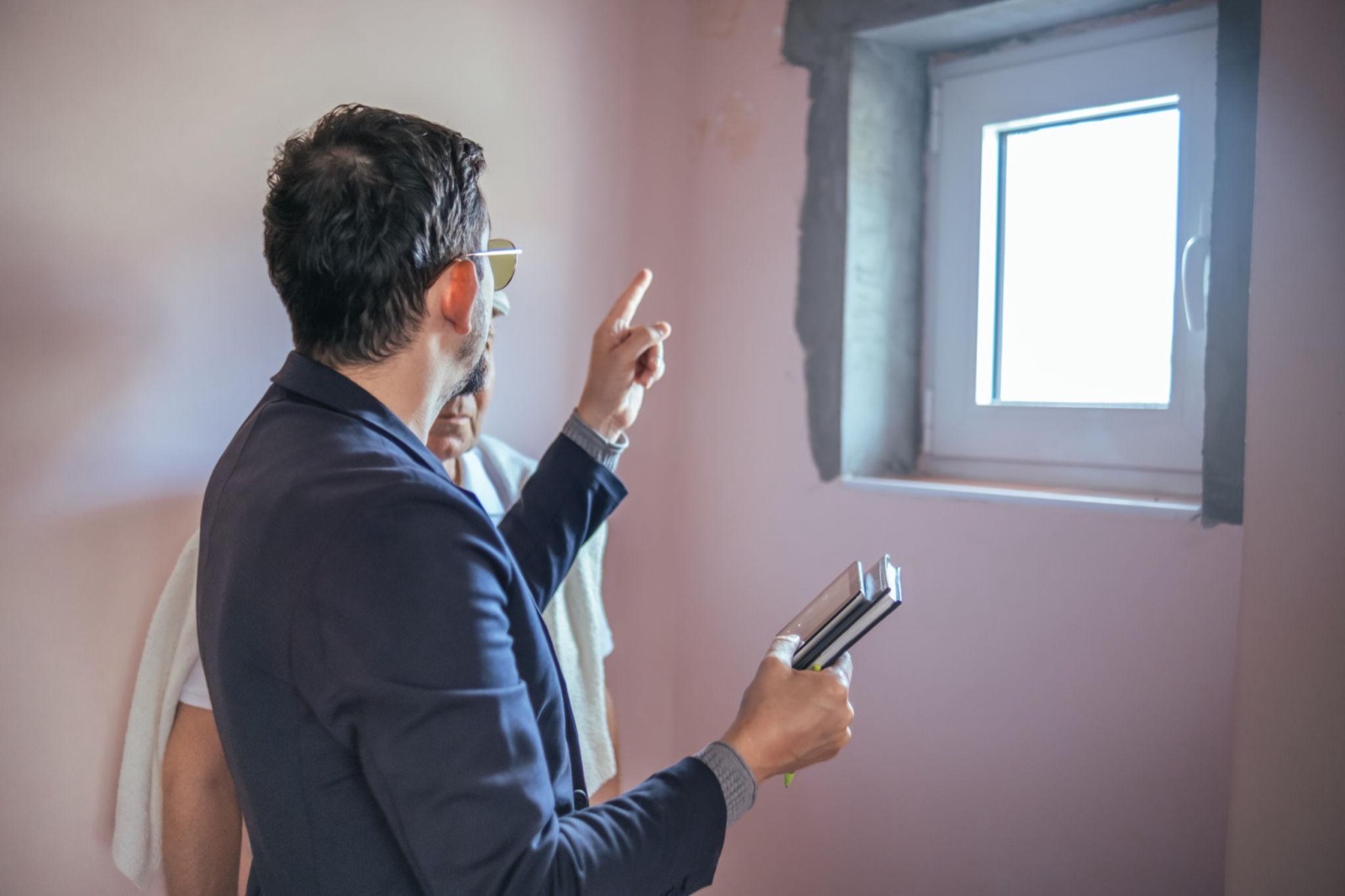
What Is an Insurance Adjuster?
An insurance adjuster is a professional assigned by the insurance company to investigate and evaluate a claim after property damage occurs.
Their responsibilities typically include:
- Inspecting the property
- Reviewing policy coverage
- Assessing the extent of damage
- Preparing repair estimates
- Determining claim payouts
Insurance adjusters work on behalf of the insurance company, which means their role is to protect the insurer’s interests while evaluating the claim.
There are several types of insurance adjusters:
- Staff adjusters employed directly by the insurance company
- Independent adjusters hired by insurance carriers
- Catastrophe adjusters assigned during large-scale disasters
Although insurance adjusters may be professional and experienced, it is important for policyholders to understand who they represent during the claims process.
What Is a Public Adjuster?
A public adjuster is a licensed professional who works on behalf of the policyholder—not the insurance company.
Public adjusters assist property owners by:
- Evaluating damages independently
- Reviewing insurance policies
- Documenting losses
- Preparing detailed claim estimates
- Negotiating settlements with insurers
Their primary goal is to help ensure that all covered damages are properly identified and included in the claim.
Public adjusters are commonly hired for:
- Large property losses
- Complex claims
- Commercial property claims
- Fire damage claims
- Storm and hail damage claims
- Disputed or underpaid claims

Key Differences Between a Public Adjuster and an Insurance Adjuster
Factor
Who They Work For
Main Goal
Who Pays Them
Role in Claim
Representation
Insurance Adjuster
Insurance Company
Evaluate Claim for Insurer
Insurance Company
Determines insurer’s estimate
Insurance carrier
Public Adjuster
Policyholder
Advocate for property owner
Typically a percentage of settlement
Assists with maximizing covered damages
Homeowner or business owner
Why This Difference Matters
Insurance claims can involve:
- Structural damage
- Smoke contamination
- Water damage
- Hidden damages
- Business interruption losses
- Code upgrade requirements
In some cases, property owners may not realize the full extent of the damages covered under their policy.
An insurance adjuster may prepare an estimate based on the insurer’s evaluation, while a public adjuster may identify additional damages or overlooked costs that could impact the settlement amount.
This is especially important for large or complicated losses where repair costs can increase significantly over time.
When Should You Consider Hiring a Public Adjuster?
Not every claim requires a public adjuster, but there are situations where professional representation may be beneficial.
You may consider hiring a public adjuster if:
- Your property sustained major fire damage
- Your claim is delayed or denied
- You believe the settlement offer is too low
- The damages are extensive or complex
- You own a commercial property
- You do not have time to manage the claims process yourself
Public adjusters can help reduce stress by handling documentation, inspections, and negotiations directly with the insurance company.
Common Misconceptions About Public Adjusters
“The Insurance Company Will Automatically Offer the Full Amount”
Insurance companies aim to evaluate claims fairly, but disputes can still happen regarding:
- Scope of damage
- Repair costs
- Coverage interpretation
- Depreciation
- Policy exclusions
Independent representation can help policyholders better understand their claim.
“Public Adjusters Only Handle Large Commercial Claims”
While public adjusters frequently assist with commercial losses, they also help homeowners with:
- Fire damage
- Water damage
- Storm damage
- Roof claims
- Smoke damage
“Hiring a Public Adjuster Means Going to Court”
Most claims handled by public adjusters are resolved through negotiation and documentation without litigation.
Tips for Property Owners During the Claims Process
Whether or not you hire a public adjuster, property owners should:
- Document all damages thoroughly
- Keep records of communication
- Save receipts and estimates
- Understand policy coverage
- Avoid rushing into settlements
Taking proactive steps can help strengthen your claim and avoid unnecessary complications.
How Mission Property Loss Consultants Can Help
Mission Property Loss Consultants assists homeowners, property managers, and commercial property owners with navigating complex insurance claims after property damage.
Their team helps clients:
- Review property damage
- Evaluate policy coverage
- Document losses properly
- Manage communication with insurers
- Navigate the claims process from start to finish
Whether the claim involves fire damage, storm damage, water damage, or commercial property loss, having experienced support can help property owners move forward with confidence.
Final Thoughts
Understanding the difference between a public adjuster and an insurance adjuster is essential when navigating a property damage claim. While insurance adjusters work for the insurance company, public adjusters advocate for the policyholder’s interests.
For many property owners, especially after major losses, having experienced guidance during the claims process can help reduce stress, improve organization, and ensure damages are properly evaluated.