
By Mission Property Loss Consultants
A fire can change everything in a matter of minutes. Beyond the emotional impact, homeowners and business owners are often left dealing with structural damage, smoke contamination, water damage from firefighting efforts, and the stress of filing an insurance claim.
Knowing what to do immediately after a fire can help protect your property, strengthen your insurance claim, and make the recovery process smoother. This step-by-step guide explains what property owners should do after experiencing fire damage and how professional assistance can help during the claims process.
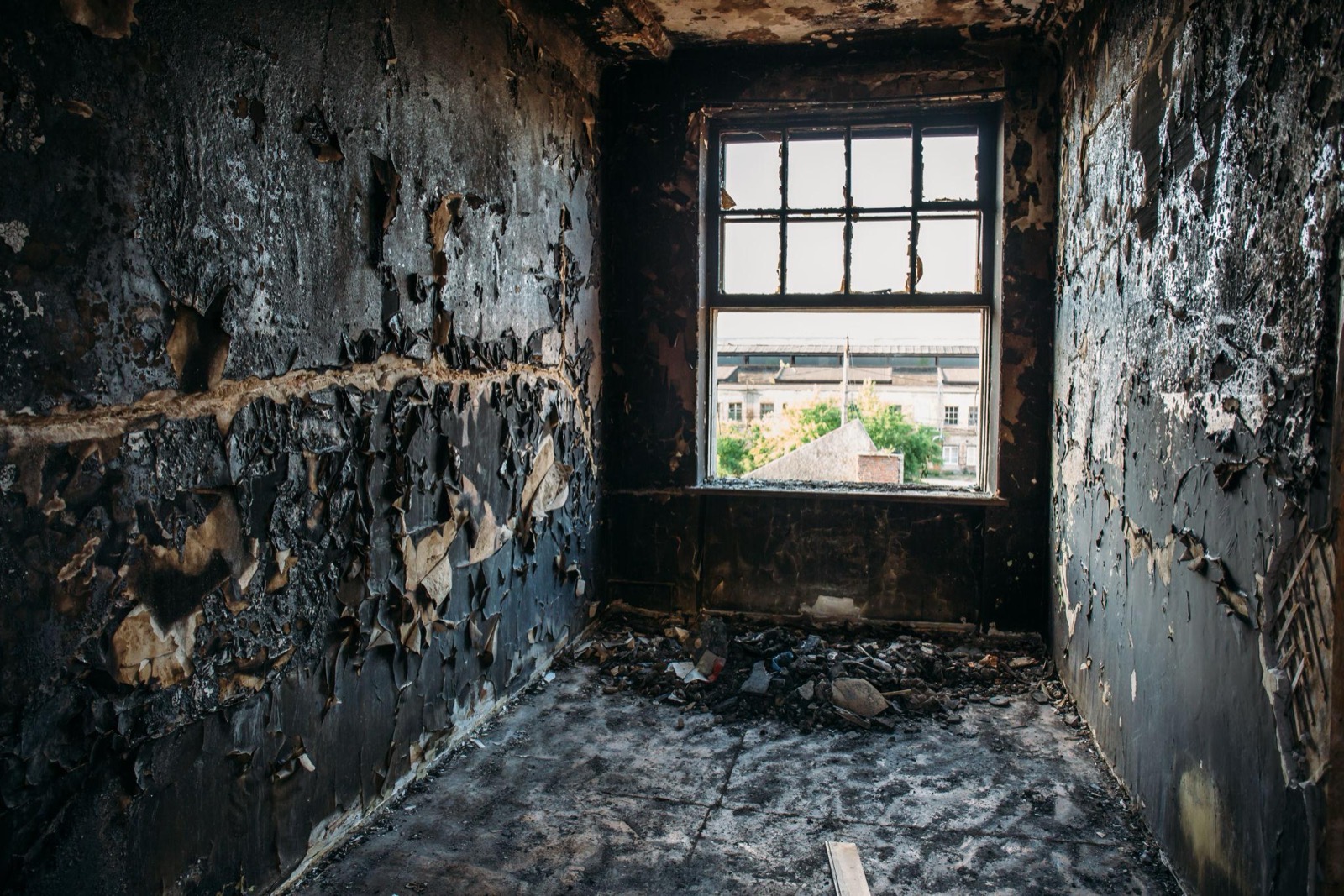
Step 1: Prioritize Safety First
After a fire, safety should always come first. Even if the flames are extinguished, the property may still contain dangerous conditions such as:
- Structural instability
- Electrical hazards
- Smoke contamination
- Gas leaks
- Water damage weakening floors or ceilings
Do not re-enter the property until local authorities or the fire department confirm it is safe to do so.
If the property is uninhabitable, contact family, friends, or your insurance company regarding temporary housing accommodations that may be covered under your policy.
Step 2: Contact Your Insurance Company Immediately
Once everyone is safe, notify your insurance company as soon as possible. Most insurance policies require prompt reporting after a loss occurs.
When reporting the claim:
- Provide basic information about the fire
- Ask about emergency mitigation coverage
- Request a copy of your policy if needed
- Obtain your claim number and adjuster information
It is important to avoid speculating about the cause of the fire or giving detailed recorded statements before fully understanding your coverage and damages.

Step 3: Document the Damage Thoroughly
Proper documentation is one of the most important parts of the insurance claims process.
Take clear photos and videos of:
- Structural damage
- Burned areas
- Smoke damage
- Water damage
- Damaged furniture and belongings
- Exterior and interior affected areas
If possible, create a written inventory of damaged items including:
- Description of the item
- Estimated value
- Purchase dates
- Receipts or proof of ownership
The more evidence you have, the stronger your claim may be.
Step 4: Secure the Property
After a fire, properties are vulnerable to additional damage and theft. Insurance policies typically require property owners to take reasonable steps to prevent further loss.
This may include:
- Boarding up broken windows
- Tarping exposed roofs
- Fencing off unsafe areas
- Removing standing water
Keep all receipts for emergency services and temporary repairs, as these expenses may be reimbursable under your policy.
Step 5: Understand the Full Scope of Fire Damage
Many property owners assume fire damage only includes burned materials, but fire losses often involve additional hidden damage such as:
Smoke Damage
Smoke residue can spread throughout the property, damaging walls, ceilings, furniture, electronics, and HVAC systems.
Water Damage
Water used to extinguish the fire can lead to:
- Mold growth
- Warped flooring
- Structural deterioration
Structural Damage
Heat exposure may weaken framing, roofing systems, and load-bearing components.
A complete inspection is essential to identify all covered damages before repairs begin.
Step 6: Review Your Insurance Policy Carefully
Insurance policies can be difficult to understand, especially during a stressful situation. Reviewing your policy helps clarify:
- Coverage limits
- Deductibles
- Exclusions
- Temporary housing coverage
- Replacement cost vs. actual cash value
- Business interruption coverage (for commercial properties)
Understanding your coverage can prevent misunderstandings during the claims process.
Step 7: Be Careful With Initial Settlement Offers
Insurance companies may provide an initial settlement offer quickly after a fire. However, early estimates may not fully account for:
- Hidden smoke damage
- Long-term repairs
- Code upgrades
- Additional living expenses
- Business interruption losses
Accepting a settlement too early may limit your ability to recover additional compensation later.
Step 8: Consider Working With a Public Adjuster
Fire damage claims are often complex and time-consuming. A public adjuster works on behalf of the policyholder—not the insurance company—to help manage and negotiate the claim.
A public adjuster may assist with:
- Documenting damages
- Reviewing policy coverage
- Preparing claim estimates
- Negotiating settlements
- Managing communication with the insurer
For large or complicated fire losses, professional representation can help property owners navigate the claims process more effectively.
Common Mistakes to Avoid After a Fire
Many claim issues happen because of avoidable mistakes. Property owners should avoid:
- Throwing away damaged items too early
- Beginning major repairs before documentation
- Missing deadlines
- Providing incomplete information
- Accepting low settlement offers without review
Taking the right steps early can make a major difference in the outcome of your claim.
How Mission Property Loss Consultants Can Help
Recovering after a fire can feel overwhelming, especially while dealing with insurance paperwork, inspections, and repair decisions. Mission Property Loss Consultants helps homeowners, business owners, property managers, and commercial property owners navigate complex property damage claims with confidence.
Whether your property suffered:
- Fire damage
- Smoke damage
- Water damage from firefighting efforts
- Business interruption losses
their team can assist throughout the claims process to help ensure your damages are properly evaluated and documented.
Final Thoughts
Fire damage can have a lasting impact on your property, finances, and daily life. Acting quickly, documenting everything carefully, and understanding your insurance coverage are essential steps toward a smoother recovery.
If you need assistance navigating a fire damage insurance claim, working with experienced professionals can help reduce stress and provide guidance during every stage of the process.