
Public Adjuster vs Insurance Adjuster: What’s the Difference?
When property damage happens, most homeowners and business owners quickly realize how complicated the insurance claims process can become.
Read the guideMost property owners think of a lawyer first when a claim gets difficult. Often, a public adjuster is the right first call — and the two aren’t mutually exclusive.
Book a free consultationCall 833-446-7728
Free consultationLicensed in 21 statesWe work for you, not the insurer
If you’re dealing with damage, a denial, or a settlement offer that seems low, a public adjuster is usually the right first call. If your claim turns into an actual legal dispute, an attorney becomes necessary. Many claims never need an attorney at all, and some need both.
| Public adjuster | Attorney | |
|---|---|---|
| What they handle | Documenting, valuing and negotiating your insurance claim directly with the carrier | Legal disputes: lawsuits, bad-faith claims, and coverage disputes decided in court |
| Who licenses them | State department of insurance | State bar |
| When they typically get involved | As soon as a loss happens, through settlement | After a claim is denied, delayed in bad faith, or headed to litigation |
| Can they negotiate with your insurer | Yes — that’s the core of the job | Yes, though usually once informal negotiation has broken down |
| Fee structure | Commonly a percentage of the claim recovery, agreed upfront | Varies: contingency, hourly or flat fee depending on the matter |
You need the damage documented and valued correctly from the start.
You think the insurer’s number understates the damage.
Commercial, institutional or multi-building losses.
Someone managing the back-and-forth with the carrier for you.
You believe a denial or delay wasn’t made in good faith.
The disagreement is about what the policy covers, not just what the damage is worth.
The matter is moving toward, or already in, a lawsuit.
Questions about your legal rights, not claim handling.
Yes. A public adjuster and an attorney aren’t competing for the same job, so hiring one doesn’t rule out the other. On larger or more contested claims, it’s common for a public adjuster to handle the claim documentation and negotiation while an attorney is brought in if the matter moves toward a legal dispute.
Not sure which situation you’re in? A free consultation costs nothing, and if we think your situation calls for an attorney instead of, or alongside, a public adjuster, we’ll tell you that directly.
This page explains general concepts for property owners and is not legal advice. For guidance specific to your claim, request a free consultation; for legal questions, consult a licensed attorney.
No. You can bring in an attorney at any point, including after you’ve already hired a public adjuster, if the claim turns into a legal dispute.
It depends on the fee structure and the scope of work, which differ by role. Rather than comparing cost alone, it’s worth comparing what each one actually does for that cost. We explain our fee during a free consultation before you commit to anything.
In most cases, start with a public adjuster to have the claim and the denial reviewed and, if appropriate, re-presented to the insurer. If the denial involves an allegation of fraud, or you believe it was made in bad faith, an attorney should be part of the conversation as well.
See our full explainer: What Is a Public Adjuster?
Practical guides from our public adjusters.
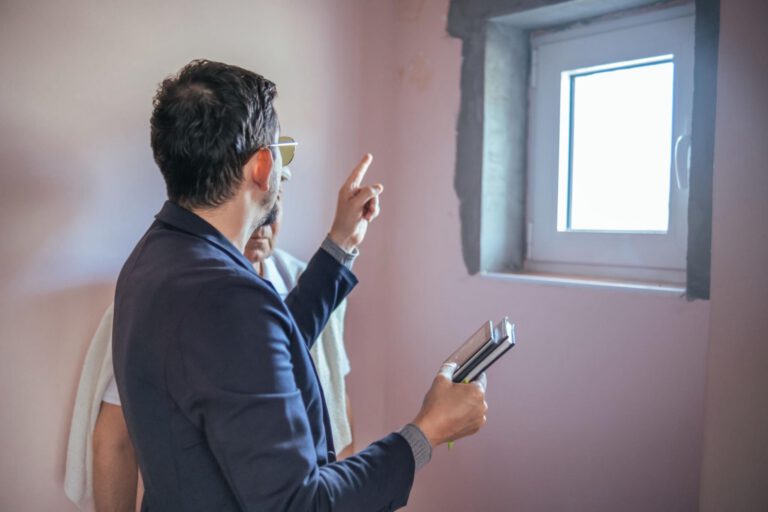
When property damage happens, most homeowners and business owners quickly realize how complicated the insurance claims process can become.
Read the guide
Filing an insurance claim after property damage can already be stressful, but receiving a denial can make the situation even more overwhelming.
Read the guide
When property damage strikes — whether due to fire, hail, wind, or other disaster — the insurance claim process can be complex and frustrating.
Read the guideTalk with a Mission PLC public adjuster about your loss. The consultation is free.
© 2026 Mission Property Loss Consultants. All rights reserved. Charlotte, NC · Privacy Policy